
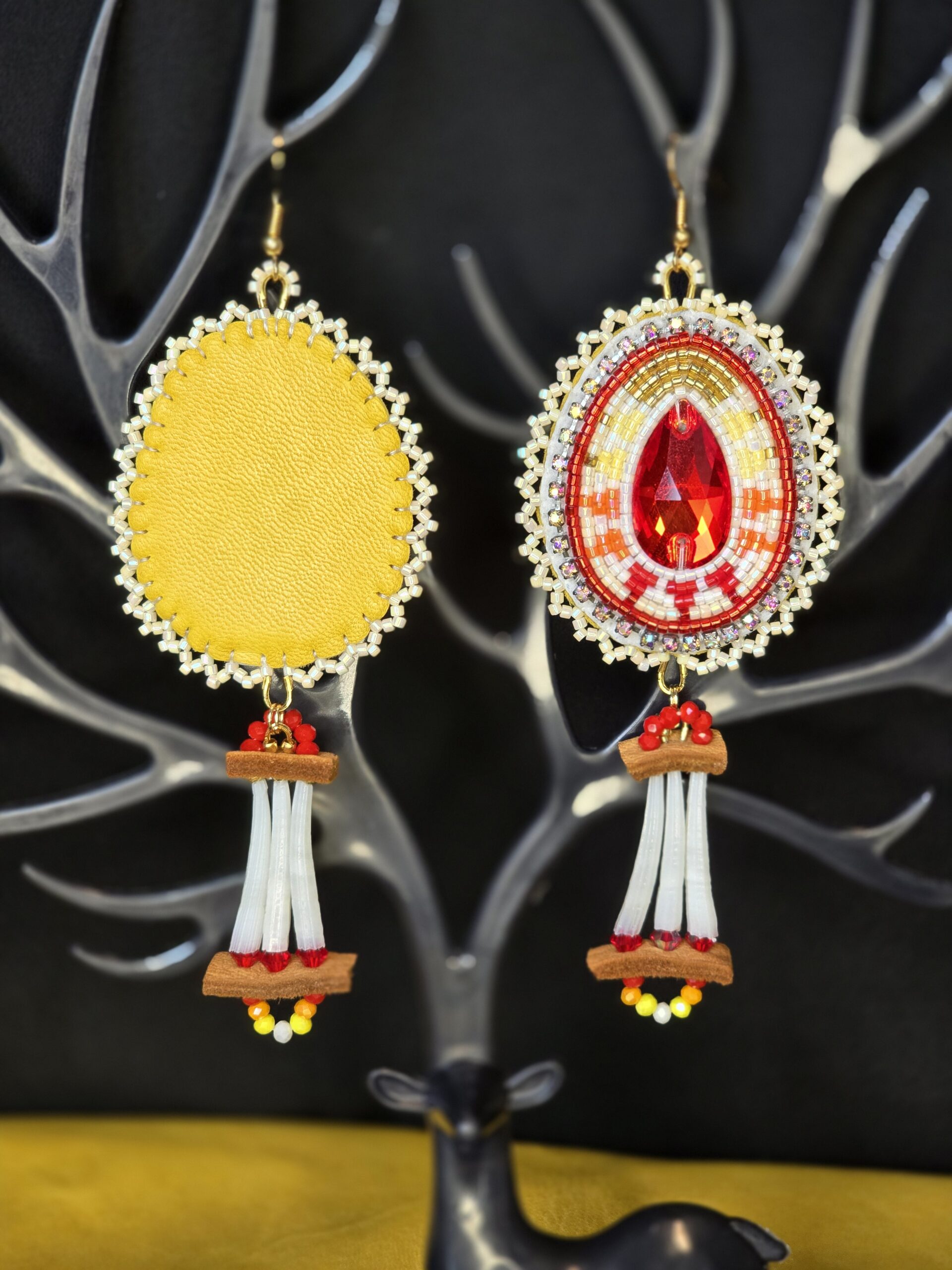
- Dive into the history, techniques, and cultural significance of beadwork in Native com
Behind the Beads: A Look at the Intricate World of Native American Beadwork
Introduction
Beadwork is more than just an art form in Native American culture—it is a language of identity, tradition, and storytelling. For centuries, Indigenous communities have used beads to create intricate designs that reflect their heritage, beliefs, and personal journeys. From the early use of natural materials to the incorporation of European trade beads, Native beadwork has evolved while maintaining its deep cultural significance. In this post, we will explore the history, techniques, and spiritual meaning behind this cherished art form.
The History of Native American Beadwork
Pre-European Contact: A Tradition of Natural Materials
Before glass beads were introduced through trade, Native artisans crafted intricate adornments using materials found in nature. Bone, shell, stone, and porcupine quills were skillfully arranged to create designs used in regalia, everyday clothing, and ceremonial objects. These designs carried deep symbolic meaning, representing tribal identity, personal achievements, and spiritual beliefs.
The Arrival of Trade Beads
In the 17th century, European traders brought glass beads to the Americas. These small, colorful beads—often called “seed beads”—quickly became a favored material among Native artists due to their vibrant colors and durability. Different tribes adapted the use of beads in unique ways, preserving their artistic traditions while embracing this new medium.
Beadwork in Modern Times
Today, beadwork remains an essential part of Native culture. While traditional methods are still honored, contemporary Native artists are blending old techniques with new materials to create stunning, modern interpretations of this ancient art. From powwow regalia to high-fashion collaborations, Native beadwork continues to inspire and thrive.
Techniques & Styles Across Tribes
Loom Beading vs. Appliqué Beading
Two of the most common beadwork techniques include:
- Loom beading: Uses a bead loom to create symmetrical, woven designs, often used for belts, sashes, and jewelry.
- Appliqué beading: Beads are sewn directly onto fabric or leather, allowing for intricate, freeform designs often seen in powwow regalia and moccasins.
Tribal Variations
Each tribe has its own distinctive beadwork style:
- Plains Tribes (Lakota, Cheyenne, Crow): Known for bold geometric patterns and extensive use of primary colors.
- Woodland Tribes (Anishinaabe, Haudenosaunee): Feature delicate floral and nature-inspired designs.
- Pacific Northwest & Arctic Tribes: Incorporate beadwork into regalia, with influences from regional wildlife and cultural motifs.
Contemporary Techniques & Innovation
Today’s Native artists are pushing the boundaries of beadwork, incorporating 3D elements, unconventional materials, and digital design techniques while still honoring traditional craftsmanship.
Cultural Significance & Spiritual Meaning
Storytelling Through Beadwork
Beadwork is more than decoration—it is a means of storytelling. Each color and pattern holds specific meaning, with designs passed down through generations. For example, certain colors may represent the elements, spiritual guidance, or family lineage.
Beadwork in Regalia & Ceremony
Beaded clothing and accessories play a crucial role in ceremonies and celebrations, such as powwows and weddings. Wearing handmade beadwork is a sign of respect, resilience, and pride in one’s heritage.
The Role of Beadwork in Identity & Resistance
Throughout history, Native people have used beadwork as a form of resistance and cultural preservation. Despite colonization and assimilation efforts, Indigenous communities have continued to practice and innovate their beadwork traditions, reinforcing their sovereignty and self-expression.
Preserving & Supporting Native Beadwork Today
The Importance of Authenticity
With the rise of mass-produced, non-Native “Native-inspired” beadwork, it is crucial to support authentic Indigenous artists. Purchasing directly from Native creators ensures that cultural traditions are respected and sustained.
Supporting Native Artists
To support Indigenous artisans:
- Buy beadwork from Native-owned businesses or artists.
- Follow and promote Indigenous bead artists on social media.
- Learn about the cultural significance of the designs before purchasing.
Passing the Tradition Forward
Elders and master artists continue to teach beadwork to younger generations, ensuring that these skills and stories remain alive. Many Indigenous communities offer workshops, classes, and mentorship programs to help preserve this art form.
Conclusion
Native American beadwork is more than just an art form—it is a living, breathing testament to resilience, identity, and creativity. Whether it appears in traditional regalia or modern fashion, beadwork remains an essential part of Indigenous culture. By learning about its history, techniques, and significance, we can help ensure that these traditions continue to thrive.
Are you interested in learning more about Native beadwork or purchasing authentic pieces? Explore our collection at Elk Feather Art Gallery, where we celebrate the beauty and craftsmanship of Indigenous artistry.